Quick take: Start with the largest loads rather than tiny standby savings. For many Indian homes that means air-conditioning, water heating and inefficient older appliances. BEE’s public guidance specifically promotes 24°C AC settings and higher star-rated equipment as practical energy-efficiency measures.
Measure before you guess
Compare the units (kWh) on two or three recent bills before blaming the tariff. If the units rose sharply, look for a usage change: longer AC hours, a new geyser, an older refrigerator, more people at home, or a faulty appliance. If units are similar but the rupee amount changed, compare the tariff slabs and fixed charges on the bill.
Prioritise the high-impact changes
- AC: BEE promotes 24°C as an energy-conscious setting and notes that raising the set point can reduce electricity use. Use fans with the AC when comfortable, keep doors/windows closed and clean filters.
- Water heating: use a timer or switch the geyser off once the water is heated rather than leaving it energised for long periods.
- Replacement decisions: when an appliance genuinely needs replacing, compare BEE star labels and annual energy-consumption information rather than buying solely on sticker price.
- Standby loads: fix these after the large loads; they matter, but they rarely explain a sudden large bill by themselves.
Do not promise yourself a specific rupee saving from one change. The result depends on your tariff, climate, appliance efficiency and daily use.
The most useful way to cut a bill is to measure your own consumption before and after a change. Two homes with the same appliances can have very different bills because tariffs, climate, room size, insulation, appliance efficiency and daily operating hours differ.
The sections below therefore use calculations you can reproduce from your own appliance label and electricity bill instead of promising a fixed rupee saving.
Calculate What Your Appliances Actually Cost
Most electricity bills show total energy use in kilowatt-hours (kWh), often called “units”. Instead of assuming every AC, geyser or refrigerator uses the same amount, start with the rated input on the appliance label or its official product documentation.
Simple planning formula: estimated electricity use (kWh) = appliance power in kW × hours used.
| Example | Simple calculation | What to remember |
|---|---|---|
| 1.5 kW appliance used for 5 hours | 1.5 × 5 = 7.5 kWh | This is a simple rated-load estimate, not a guarantee of actual consumption. |
| 0.075 kW fan used for 10 hours | 0.075 × 10 = 0.75 kWh | Actual draw depends on the fan and speed setting. |
Actual consumption can be lower or higher than a simple rated-load estimate because inverter compressors change output, thermostats cycle equipment on and off, and appliance efficiency varies. To estimate cost, multiply the additional kWh by the applicable tariff shown on your bill, remembering that slab rates and fixed charges can make the final bill more complex than one flat per-unit price.
Air-Conditioner Changes Worth Testing
Use an efficient temperature setting. Bureau of Energy Efficiency guidance promotes 24°C as an energy-conscious room-AC setting and notes that increasing the thermostat setting by 1°C can reduce electricity use by about 6% under the conditions referenced in its guidance. Treat that figure as an efficiency guideline, not a guaranteed saving for every home.
Reduce unnecessary run time. If your room remains comfortable, use the timer/sleep function or switch the AC off when cooling is no longer needed. Compare kWh on similar-weather days rather than assuming a fixed rupee saving.
Keep airflow clear. Clean filters according to the manufacturer’s instructions and keep doors/windows closed while the AC is cooling. Restricted airflow and heat entering the room make the system work harder.
Service faults, not just the calendar. If cooling performance drops, airflow is weak, or the unit is behaving abnormally, use qualified service support. Avoid assuming one servicing schedule or one percentage saving applies to every model.
Water Heating: Cut Unnecessary Run Time
Electric water heaters can draw substantial power while heating. The easiest habit to test is avoiding long periods of unnecessary heating: switch the unit on when needed and turn it off once sufficient hot water is available, unless the manufacturer’s controls are designed for a different operating pattern.
If your model has an adjustable thermostat, follow the manufacturer’s safe temperature guidance rather than copying one universal setting from a blog. For solar water heating, compare roof suitability, household demand, installation cost, maintenance and local solar conditions before estimating payback.
Refrigerator — Small Changes, Real Savings
Do not place it near the stove or in direct sunlight A fridge placed near a heat source works harder to maintain internal temperature. If possible keep it in the coolest part of the kitchen.
Leave space behind it The compressor coils at the back need airflow to dissipate heat. A fridge pushed flush against the wall runs hotter and less efficiently. 10 cm of space behind makes a measurable difference.
Do not put hot food directly inside Let food cool to room temperature before refrigerating. Hot food raises the internal temperature and makes the compressor work harder.
Lighting: Compare Lumens and Watts
When replacing an old lamp, compare the light output (lumens) and power draw (watts) rather than assuming one wattage is an exact replacement for another technology. An efficient LED can provide similar useful light with a lower rated wattage than many older lamps.
To estimate the saving yourself, subtract the new lamp’s wattage from the old lamp’s wattage, convert the difference to kilowatts, and multiply by the hours used. This gives you a household-specific energy estimate instead of a generic “three-month payback” promise.
Use the BEE Star Label When Replacing an Appliance
For appliance categories covered by India’s Standards & Labelling programme, the BEE star label is a useful comparison tool. Compare the star rating together with the label’s energy-consumption information, capacity and the purchase price.
A higher star rating can reduce energy use, but the best-value choice still depends on how often you use the appliance and the price difference between models. Avoid replacing a working appliance solely to chase a star rating unless the expected lifetime saving justifies the purchase.
Check current labels and programme information through the official BEE/Star Label resources rather than relying on an old cost-saving estimate.
How to Verify Your Own Savings
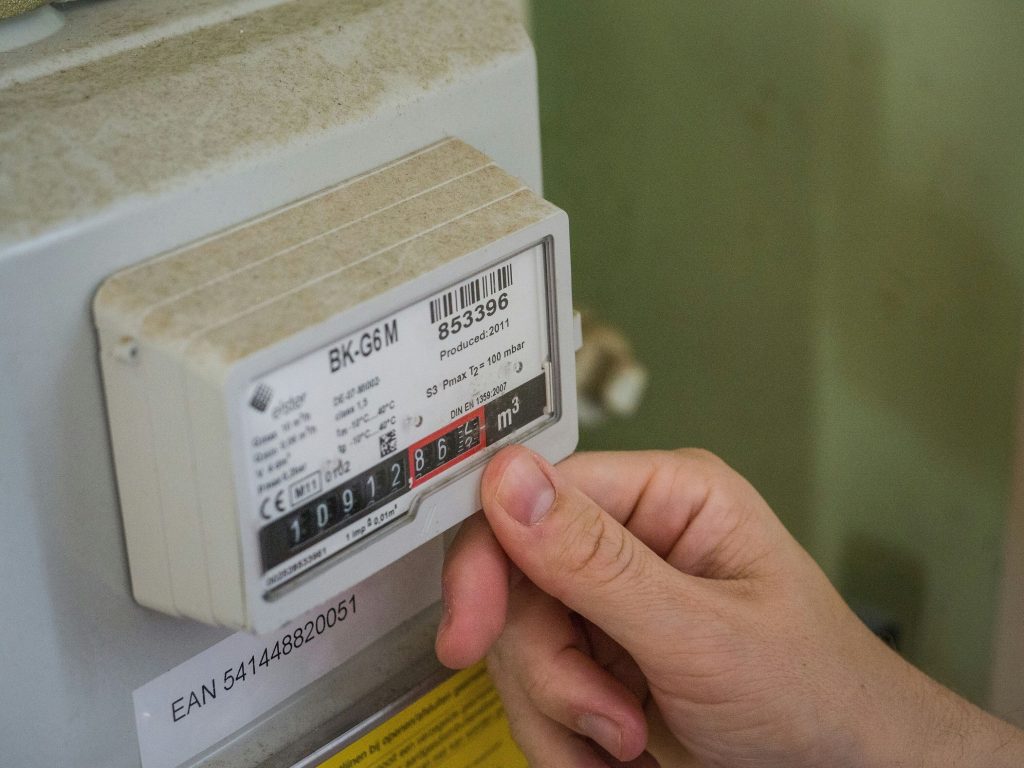
- Record the meter reading or bill kWh before making a change.
- Change one major habit at a time—for example AC temperature or daily run time.
- Compare a similar period, accounting for weather and the number of people at home.
- Judge success primarily by kWh, then translate that change into rupees using your applicable tariff.
This method is slower than quoting a universal ₹600 or ₹1,200 monthly saving, but it gives you a number that actually belongs to your home.
Sources and verification
Energy-efficiency guidance in this article was rechecked against Bureau of Energy Efficiency resources on 18 September 2026. Appliance performance, tariffs and household usage differ, so use your own bill and product specifications for calculations.
- Bureau of Energy Efficiency — Ministry of Power
- BEE Standards & Labelling portal
- BEE energy-conservation guidance
Leave a Reply