Goa in Monsoon: Why I Went in July and Did Not Regret It Once

Lush green coastal cliffs and grey monsoon waves at Goa beach in July

Everyone told me not to go.

My colleague said the beaches would be dirty. My mother said the sea would be dangerous. My friend who goes to Goa every December said monsoon Goa is “not the real Goa.” My cab driver on the way to Mumbai airport said I was wasting money.

I went anyway. It was July, I had four days of leave I needed to use, and flights to Goa in July cost ₹2,800 return from Mumbai. The same flight in December costs ₹11,000.

Here is what actually happened.


What Goa in Monsoon Actually Looks Like

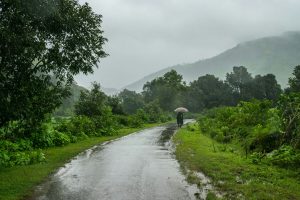
The first thing that hits you when you land in Goa in July is the green. Goa in December is beautiful but it is a dry, dusty, crowded beautiful. Goa in July is green in a way that does not look real — like someone turned the saturation up on everything.

The roads have moss on their edges. The cashew trees are enormous and dark. The Portuguese-era houses look like paintings against the grey sky. There are cows sitting in the middle of every road as always but now they look contemplative rather than inconvenient.

I stayed in a small guesthouse in Assagao in North Goa. The owner, a Goan man in his sixties whose family had run the place for thirty years, made me chai on the first morning and told me July was his favourite month because the tourists who came in July were people who actually wanted to be in Goa rather than people who wanted to post photos of Goa.

I think about that distinction often.


The Beaches — Honest Assessment

The popular beaches — Baga, Calangute, Anjuna — are largely closed in monsoon. The shacks are shut. The water sports are shut. Swimming is genuinely dangerous and several beaches have red flags up for the entire season.

But the beaches themselves are extraordinary. Empty, dramatic, with waves that would be terrifying to swim in but are spectacular to sit near. I spent two hours at Vagator beach on my second day watching the Arabian Sea in full monsoon mode — waves that seemed to come from nowhere, the sound completely overwhelming, the horizon invisible in the mist. There was one other person on the entire beach.

Palolem in South Goa is slightly calmer in monsoon and the beach is walkable. Agonda is quiet and beautiful. Cola beach, which requires a short trek down a hill, is green and dramatic in a way it never is in peak season.

The honest truth: you cannot do beach holiday Goa in monsoon. You can do Goa in monsoon and experience something completely different.


What Is Open in Goa in July

More than people tell you. The inland areas — Old Goa, Panjim, Margao — are fully functional. The Basilica of Bom Jesus and Se Cathedral in Old Goa are open and magnificent in the rain. The Fontainhas area in Panjim with its Latin Quarter lanes and Portuguese houses is best seen in July when the colours are washed fresh and there are no tourist crowds blocking every narrow street.

The spice plantations run tours year-round. I visited the Sahakari Spice Farm near Ponda — ₹500 per person including a traditional Goan lunch that was the best meal of the trip. In December this place has 200 tourists at a time. In July there were eight of us and the guide had time to actually explain things properly.

The restaurants in Panjim and Assagao that cater to residents rather than tourists are all open. I ate at a small place in Panjim that had been running for forty years — prawn curry with rice and a sol kadi for ₹180. The prawn curry was better than anything I ate at the famous beach shacks the previous December visit.


The Real Costs — July vs December Comparison

Item July Cost December Cost
Flight Mumbai–Goa return ₹2,800 ₹11,000
Good guesthouse per night ₹1,200 ₹3,500
Meal at good restaurant ₹350 ₹800
Taxi from airport ₹700 ₹700
Total 4 days budget ₹12,000 ₹32,000

My entire four-day Goa trip in July cost less than the flights alone would have cost in December.


Who Should Go to Goa in Monsoon

Go if you want genuine quiet, green Goa without the crowds and noise. Go if you want to eat at real Goan restaurants without waiting 45 minutes for a table. Go if you want to photograph Goa without strangers in every frame. Go if your budget is limited and you want to experience Goa properly.

Do not go if you need beach swimming, water sports, or the Baga-Calangute party scene. That Goa does not exist in July. It comes back in October.

Manali on a Budget: How I Did 5 Days for ₹13,500 from Delhi

Snow-covered Manali mountain valley with wooden guesthouses and pine trees in winter

My first trip to Manali cost ₹38,000. It was 2019, I booked everything through a travel agent, stayed at a resort that looked better in photos than in person, and spent most of the trip in a vehicle being taken from one “tourist spot” to the next on a schedule that left no room for actually being in Manali.

My second trip cost ₹13,500 for five days including the overnight bus from Delhi. I planned everything myself, stayed in guesthouses recommended by people who had actually been there, and ate where locals ate.

The second trip was three times better in every way. Here is exactly how I did it.


Getting There — The Overnight Bus from Delhi

The most practical way to reach Manali from Delhi is the overnight Volvo bus from Kashmere Gate ISBT. It departs around 5–6 PM and arrives in Manali the next morning around 10–11 AM depending on road conditions.

Cost: ₹700–₹1,400 depending on operator and season. I booked through RedBus two weeks in advance and got a window seat on the upper deck for ₹950.

The journey is approximately 14 hours. The road from Mandi onward is winding mountain road — if you are prone to motion sickness take a tablet before boarding. The views from Kullu onward in the morning light make every uncomfortable hour worth it.

Flying to Bhuntar airport near Kullu is faster but expensive — ₹4,000–₹8,000 one way from Delhi depending on dates. For a budget trip the bus is the obvious choice.


Where to Stay — Skip the Resorts

Manali has two distinct areas: Mall Road which is the main tourist strip and Old Manali which is a 20-minute walk uphill from Mall Road.

Stay in Old Manali. Every time.

Old Manali has guesthouses run by local Himachali families that charge ₹600–₹1,200 per night for a clean room with mountain views. The area has cafes, small restaurants, and a pace of life that feels like a hill town rather than a tourist trap.

I stayed at a family-run guesthouse where the owner’s mother made paranthas every morning included in the room price. The room had a wooden balcony with a direct view of the Beas river and the mountains beyond. It cost ₹800 per night.

The same view from a Mall Road resort would cost ₹4,000 per night and feel less authentic.


What to Actually Do in Manali

Day 1 — Arrive and recover The bus journey is tiring. Walk around Old Manali, find your guesthouse, eat something warm. The market near Old Manali temple has good momos — ₹80 for a plate of steamed veg momos that will be the best momos you have eaten.

Day 2 — Solang Valley Take a shared taxi from Mall Road to Solang Valley — ₹150 per person each way. In summer it is green and the views are extraordinary. In winter there is snow. The activities at Solang — zorbing, rope courses, horse riding — cost extra and are optional. Just being there and walking is enough.

Day 3 — Rohtang Pass (if open) or Naggar Castle Rohtang Pass at 3,978 metres requires a permit (₹500, booked online at rohtangpermits.nic.in) and is only open May to October. The views are extraordinary but the road is crowded in peak season. Go early — before 7 AM if possible.

If Rohtang is closed or you prefer crowds, Naggar Castle in the Kullu Valley is a 45-minute drive from Manali, costs ₹100 entry, and has the best mountain views of any heritage site in Himachal Pradesh.

Day 4 — Hadimba Temple and Old Manali walk Hadimba Devi Temple is a 15-minute walk from Old Manali. Built in 1553 in the middle of a cedar forest, it is one of the most genuinely atmospheric temple complexes in North India. Go early morning before the tourist rush — before 8 AM the forest around the temple is quiet and the deodar trees are extraordinary.

Day 5 — Leave The Volvo back to Delhi departs around 5–6 PM. Spend the day walking, eating, buying Himachali woolens from the market if you want. The woolen socks sold near the temple for ₹80–₹100 are genuine and warm and make good gifts.


The Actual Budget Breakdown

Expense Amount
Delhi to Manali bus (return) ₹1,900
Accommodation 4 nights × ₹800 ₹3,200
Food 5 days × ₹400/day ₹2,000
Solang Valley taxi + activities ₹800
Rohtang permit + taxi ₹1,200
Hadimba temple + local walks ₹200
Miscellaneous ₹500
Total ₹9,800

I spent ₹13,500 total because I bought two Himachali shawls as gifts and ate at a slightly nicer restaurant one evening. The core trip is genuinely doable under ₹10,000 from Delhi.


One Honest Warning

Manali in May-June and in October is extremely crowded. The roads into town can jam for hours. If your dates are flexible, go in late September or early July — the crowds are smaller, the prices are lower, and the mountains look exactly the same.